Love to go barefoot but need dress shoes? Try these 7 styles
Published in Fashion Daily News
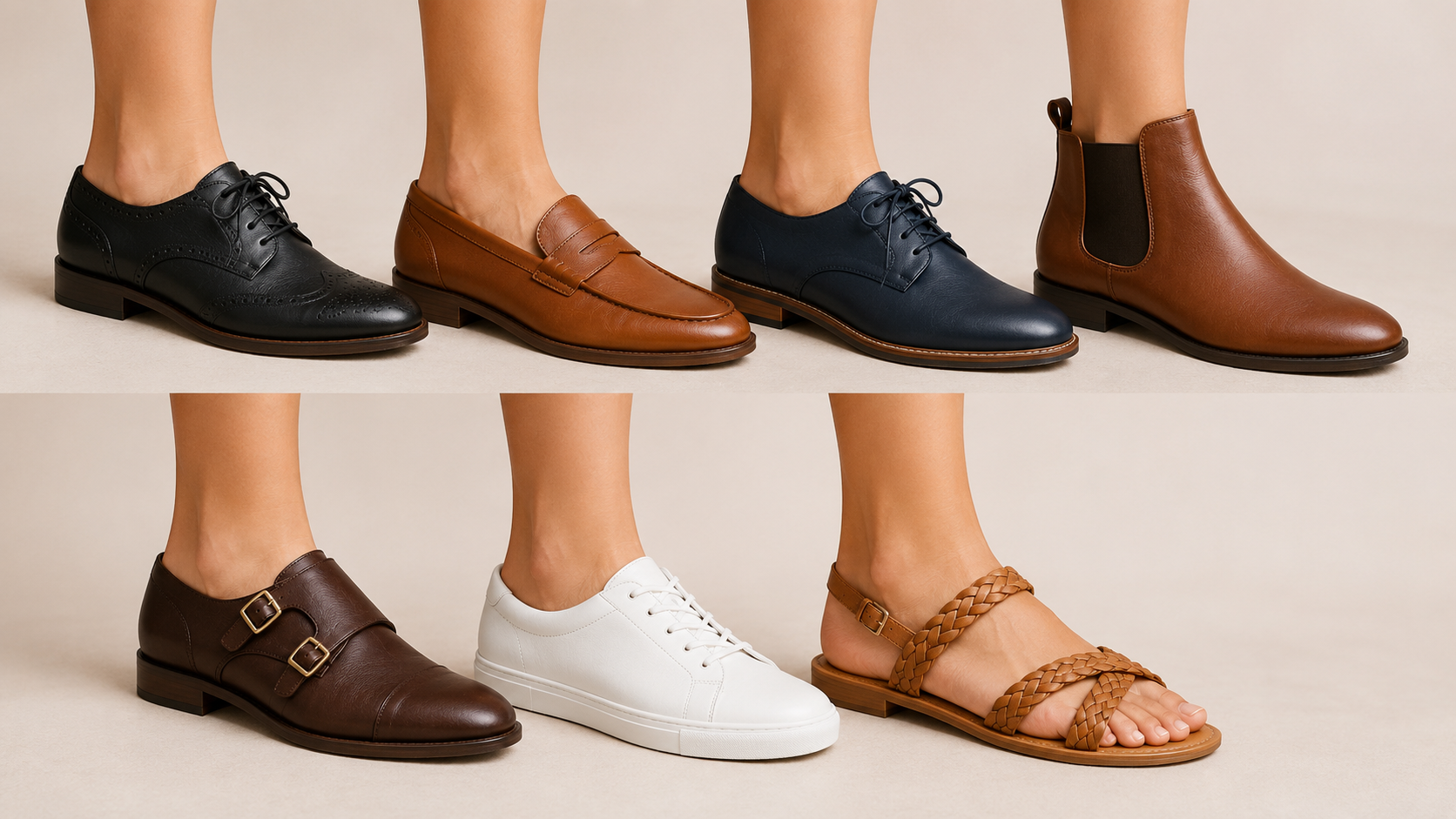
For people who prefer to go barefoot, formal footwear can feel like a trap. Traditional dress shoes are often stiff, narrow, elevated and unforgiving. They may look polished, but they can also squeeze toes, restrict natural foot movement and turn a long workday, wedding or evening event into a test of endurance.
The good news is that dress shoes have changed. More companies now offer shoes that look refined while giving feet more room to move. Some are true barefoot-style shoes, with wide toe boxes, thin flexible soles and little or no heel rise. Others are more conventional but still softer, roomier and easier to wear than old-fashioned hard-soled dress shoes.
Here are seven styles to consider if you love being barefoot but still need to look dressed.
1. Minimalist leather oxfords
The oxford is one of the most traditional dress shoe styles, known for its closed lacing and clean lines. For barefoot-minded wearers, the key is finding a version with a wider toe box, flexible sole and low or zero heel drop.
A minimalist leather oxford can work with suits, dress slacks, chinos or business-casual outfits. Black is the most formal choice, while brown or tan versions can feel more relaxed.
Look for soft leather that will move with the foot rather than fight it. A thin sole can help preserve ground feel, but it should still look polished enough for the setting. This is often the best choice for people who need one dependable dress shoe for work, church, dinners or formal events.
2. Barefoot-style loafers
Loafers are useful because they split the difference between dressy and easygoing. They slip on quickly, pair well with trousers or dark jeans and do not require laces. For people who dislike restrictive shoes, that simplicity can be a major advantage.
A barefoot-style loafer should have room across the forefoot and enough flexibility to avoid the clunky feel of traditional loafers. Penny loafers, Venetian loafers and simple leather slip-ons can all work, depending on how formal the occasion is.
Loafers also are good for travel. They can look appropriate in a restaurant, office or airport lounge, but they are easier to remove than lace-up dress shoes. For someone who would rather be barefoot at home, that matters.
3. Soft leather derby shoes
Derby shoes are similar to oxfords, but the lacing is more open. That makes them easier to adjust and often more comfortable for people with higher insteps or wider feet.
A soft leather derby can be one of the most practical barefoot-friendly dress options. It has enough structure to look respectable but can feel less locked down than a stiff oxford. The style works well with suits that are not extremely formal, as well as with sport coats, chinos and everyday office wear.
For comfort, avoid narrow, pointed versions. A rounded toe, flexible sole and low heel are better choices for anyone trying to preserve a more natural walking feel.
4. Dressy Chelsea boots
Chelsea boots are ankle-high boots with elastic side panels. They can be sleek enough for dressier outfits, especially in smooth black or brown leather, but they are usually easier to wear than traditional lace-up boots.
For barefoot fans, a minimalist Chelsea boot can be a strong choice in cooler weather. It offers more coverage without necessarily feeling heavy. The pull-on design also keeps things simple.
Chelsea boots work with dark jeans, wool trousers, corduroys and casual suits. They are especially useful when an outfit needs to look sharp but not stiff.
Fit is important. The boot should hold the heel securely without crushing the toes. A flexible sole and flat profile will feel closer to barefoot movement than a boot with a high heel and thick, rigid sole.
5. Wide-toe monk straps
Monk strap shoes use a buckle instead of laces. They can look stylish without being flashy and are often a good alternative for people who want something different from the usual oxford or loafer.
A single monk strap is generally more understated. A double monk strap has a bolder look. Either can work if the shoe is shaped naturally and does not squeeze the forefoot.
The advantage is adjustability. A buckle can provide a secure fit without the same pressure pattern as laces. For people who like shoes loose enough to feel relaxed but not sloppy, that can help.
Monk straps are not always available in true barefoot construction, so shoppers may need to look carefully. The best versions for comfort will have softer uppers, a rounded toe and a sole that bends with the foot.
6. Minimalist dress sneakers
Not every dress situation requires a traditional dress shoe. In many workplaces and social settings, a clean leather sneaker is acceptable, especially if the outfit is otherwise put together.
A minimalist dress sneaker can be ideal for people who love barefoot shoes but need something tidy. White, black, gray, brown or navy leather versions can pair with chinos, casual suits, button-down shirts and knit polos.
The trick is restraint. Avoid bulky athletic designs, oversized logos, loud colors and thick soles if the goal is dressy. A plain, low-profile sneaker with a wide toe box can look modern while still being comfortable.
This is a good choice for creative offices, travel, casual weddings, conferences and long days on your feet. It may not replace formal shoes for black-tie events, but it can cover a lot of real-life situations.
7. Dress sandals for relaxed settings
In warm climates or casual dress settings, a refined sandal may be the closest compromise between barefoot comfort and social acceptability. Leather sandals with clean lines can work for beach weddings, summer parties, resort dinners and relaxed outdoor events.
This is not the right choice for every office or formal occasion. But when the setting allows it, dress sandals can be far more comfortable than closed shoes.
For a sharper look, choose sandals that are simple, well-made and not too sporty. Thin straps, quality leather and a secure fit tend to look more intentional than rubber flip-flops or trail sandals.
People who spend much of their time barefoot may appreciate sandals because they preserve airflow and toe freedom. The goal is not to pretend sandals are formal oxfords. The goal is to match the shoe to the event and avoid overdressing the feet while undercutting the outfit.
The best dress shoe for a barefoot person is not just the one that looks good. It is the one that lets the foot remain a foot.
That means enough room for the toes, enough flexibility to move naturally and enough comfort to get through the day without counting the minutes until the shoes come off. With the right style, it is possible to look polished without giving up the comfort that made barefoot living appealing in the first place.
========
Callum Raines is a lifestyle writer who covers practical style, home comfort and everyday wellness. His work focuses on clothing, routines and small choices that help people feel more at ease in daily life. This article was written, in part, utilizing AI tools.






Comments