Symptoms and treatments for ear mites
Published in Cats & Dogs News
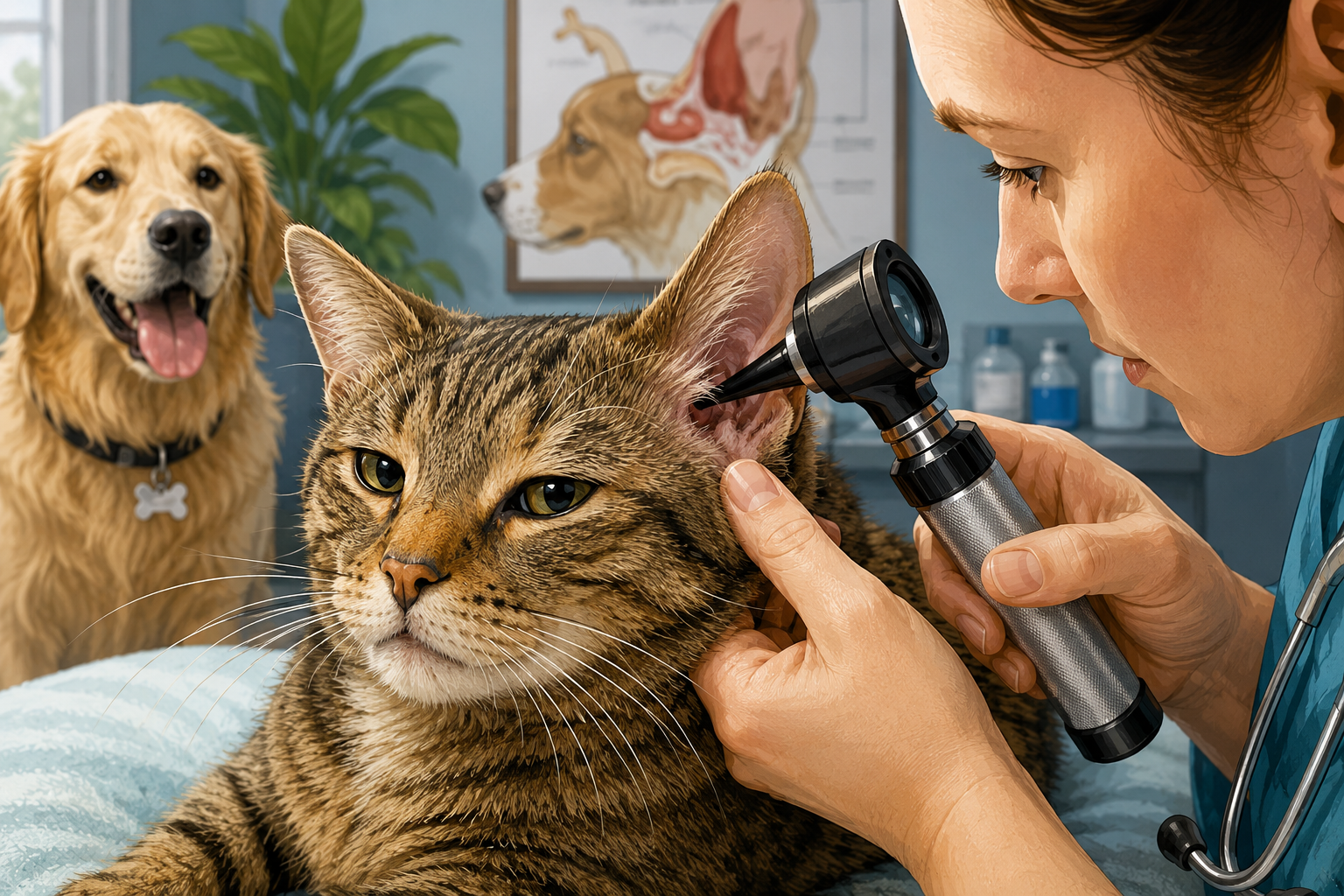
Ear mites are tiny parasites, but the discomfort they cause can be big. They are most often associated with cats, especially kittens and outdoor cats, but dogs, ferrets and other animals can get them, too. The usual culprit is Otodectes cynotis, a surface mite that commonly lives in the ear canal and spreads through close contact with an infested animal. ([Vca][1])
For pet owners, the first clue is often not seeing the mite itself. It is seeing a cat or dog suddenly shaking its head, scratching its ears or acting miserable whenever anyone touches the head or neck. Left untreated, an ear mite infestation can lead to inflammation, wounds from scratching and secondary bacterial or yeast infections.
What ear mites look like
Ear mites are barely visible to the naked eye, and they can look like tiny white specks moving against a dark background. But most owners never get that close a look. What they usually notice is debris in the ear.
A classic sign is dark, waxy, crusty material that resembles coffee grounds. The ear may also smell bad, look red or feel hot. Some pets develop hair loss around the ears from scratching. Others rub their heads on furniture, carpet or bedding. In more serious cases, repeated scratching and head shaking can cause an aural hematoma, a painful blood-filled swelling in the ear flap. ([Vca][1])
The tricky part is that not every dirty ear means ear mites, and not every ear mite case looks dramatic. Ear infections, allergies, foreign material, polyps, skin disease and other problems can cause similar symptoms. Some animals have heavy debris with only a few mites present, while others may have mites with fewer outward signs.
When to call the veterinarian
A pet with persistent head shaking, scratching, ear discharge, odor, swelling or pain should be seen by a veterinarian. That is especially true if the ear is bleeding, the pet cries when touched, the head tilts to one side, balance seems off or the animal has had repeated ear problems.
Veterinarians diagnose ear mites by looking into the ear with an otoscope or by examining ear debris under a microscope. If the ears are very sore, the pet may need sedation so the ears can be examined and cleaned safely. Cornell’s Feline Health Center advises prompt veterinary care when ear mites are suspected because treatment can relieve discomfort and help prevent outer ear infection from progressing to more serious ear disease. ([Cornell Vet Medicine][2])
That exam matters because treating the wrong problem can waste time and make an irritated ear worse. Ear drops meant for one condition may not help another. Cleaning an inflamed or damaged ear without guidance can also be painful and risky, especially if the eardrum is affected.
How ear mites are treated
Treatment usually begins with cleaning the ear canal to remove wax and debris that can shield mites from medication. In a mild case, a veterinarian may show the owner how to clean the ears at home. In a painful or severe case, the clinic may do the cleaning first.
Medication depends on the species, age, overall health of the pet, severity of the infestation and whether there is a secondary infection. Options may include topical medication placed in the ear, systemic parasite control products applied to the skin, or other veterinarian-directed treatments. VCA Animal Hospitals notes that treatment targets adult and larval forms because medication does not penetrate eggs or pupae, and several veterinary products are available depending on the animal and case. ([Vca][1])
Secondary infections are common and need their own treatment. If bacteria or yeast have taken advantage of the irritated ear, a pet may need additional ear medication, anti-inflammatory treatment or follow-up exams. Owners should finish the full course as directed, even if the pet seems better after a few days.
Treat every exposed pet
Ear mites are contagious among pets through close contact. If one cat or dog in a household has mites, veterinarians commonly recommend treating other susceptible pets in the home as well, even if they are not yet showing symptoms. The Companion Animal Parasite Council says all dogs and cats in the household should be treated when mites are present in one dog or cat. ([Companion Animal Parasite Council][3])
Environmental survival is not considered the main route of spread, but washing bedding and vacuuming favorite resting areas are sensible housekeeping steps. The more important issue is making sure all exposed pets receive appropriate prevention or treatment so the infestation does not bounce from one animal to another.
People generally do not need to panic. Ear mites are adapted to animals, not humans. Rarely, people in a household with an infested pet may develop a temporary itchy rash, but clearing the mites from the pets usually resolves the problem. ([Vca][1])
Prevention and follow-up
Routine ear checks can help owners catch problems early. Healthy ears should not be painfully red, packed with dark debris or giving off a strong odor. Pets that go outdoors, live with multiple animals, spend time in shelters or rescues, or regularly meet new cats and dogs may have a higher risk of exposure.
Use parasite prevention as recommended by a veterinarian, especially in multi-pet homes. Do not use dog products on cats unless the label and veterinarian specifically say it is safe. Cats are sensitive to some ingredients that dogs tolerate.
Follow-up matters. A veterinarian may want to recheck the ears to confirm the mites are gone and the ear canal is healing. If symptoms persist after treatment, the problem may be an infection, allergy or another ear disease rather than active mites.
Ear mites are common, uncomfortable and highly treatable. The best approach is simple: notice the signs, do not dig around in a painful ear, get a proper diagnosis and treat every exposed pet as directed. Done early, treatment can spare a pet days or weeks of itching and prevent a small parasite from becoming a bigger health problem.
========
Maren Calloway is a companion animal writer covering practical pet care, home health and everyday veterinary topics. She focuses on clear, owner-friendly guidance for families caring for cats, dogs and small animals. This article was written, in part, utilizing AI tools.








Comments